Citadel Colour: Warhammer 40,000 Paints + Tools Set
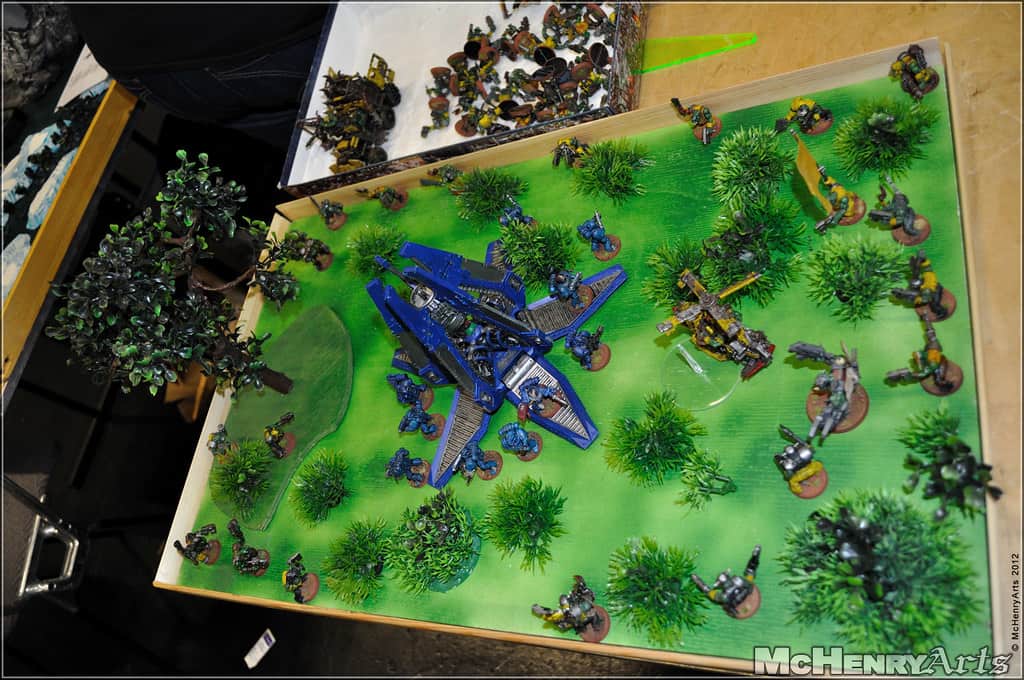
The only starter set that hands you paints, a brush, clippers and a moldline scraper at once, so nothing else is needed to finish a first squad.
Sprue & Brush is a buying guide for the start of this hobby: painting your first Warhammer army, or building your first Gunpla kit. Every page names the drawback as well as the upside, and says plainly when the cheaper option is the better one.
One winner per ranked roundup. The label is the specific category it won, so you can see at a glance whether it is the answer to your question.

The only starter set that hands you paints, a brush, clippers and a moldline scraper at once, so nothing else is needed to finish a first squad.

The only starter set that hands you paints, a brush, clippers and a moldline scraper at once, so nothing else is needed to finish a first squad.

A warm brown wash that flows into recesses and makes almost any color scheme look finished. If you buy a single wash, this is it.

Paint pens that need no brush, no thinner and no cleanup. The right first purchase for a snap-fit kit you want to look better in an evening.

Paint pens that need no brush, no thinner and no cleanup. The right first purchase for a snap-fit kit you want to look better in an evening.

A dark, high-pigment silver that covers in one coat and takes a wash beautifully. The metallic nearly every tutorial starts from.

Kolinsky sable at a price that does not make you flinch when one eventually dies. The brush most experienced painters quietly settle on.

Synthetic brushes covering detail, regiment, drybrush and basecoat in one box. Not the best brush of any type — the right set to learn on and not grieve over.

A short, stiff, blunt-ended brush built for the one technique that destroys normal brushes. The only shape here you should buy synthetic on purpose.

Kolinsky sable at a price that does not make you flinch when one eventually dies. The brush most experienced painters quietly settle on.

A soap paste that lifts dried acrylic out of the ferrule and reshapes the point. The cheapest thing you can buy that extends the life of an expensive brush.

A water-based acrylic primer that brushes or airbrushes on with almost no smell. The answer for anyone who cannot spray outdoors.

A spray primer in army colors rather than just black, white and gray. Prime in your scheme's base color and you have saved an entire painting step.

The big bottle of the same water-based primer. Through an airbrush it lays down thinner and smoother than any aerosol, with no weather window at all.

A sealed, mold-resistant wet palette small enough to live on a crowded desk. It keeps thinned paint usable for days instead of minutes.

A weighted-base magnifier lamp with a glass lens and a long flexible arm. It solves light and magnification in one purchase, which is why it is the usual answer.

The original spring-clip handle, sized for the 25 mm and 32 mm bases that make up most of an army. The one most painters actually need.

Shelved racks sized for dropper bottles and pots together, mounted off the desk. The right answer once you own more than one brand.

A 0.35 mm gravity-feed dual-action brush that sprays primer and fine highlights without a nozzle change. The default recommendation for a decade, deservedly.

A small air tank, a regulator and a moisture trap. The tank is the upgrade: pressure stops pulsing and the motor runs a fraction as often.

A purpose-made thinner that holds flow and adhesion where water just dilutes the binder. The difference between tip-dry every pass and a clean session.

Slim, pointed jaws that get into a crowded runner, in a tool sturdy enough to survive years of ordinary use. The sensible first buy.

Slim, pointed jaws that get into a crowded runner, in a tool sturdy enough to survive years of ordinary use. The sensible first buy.

A solvent that welds plastic to itself by melting both faces. It is not glue and does not behave like glue, and for styrene kits nothing else comes close.

The lacquer topcoat the hobby standardized on. Dead flat, tough, and the thing that turns shiny bare plastic into something that looks painted.

A proper High Grade at the cheapest High Grade price. More parts, real articulation, and still snap-fit with no paint required.

A sealed, mold-resistant wet palette small enough to live on a crowded desk. It keeps thinned paint usable for days instead of minutes.

A single-blade nipper so sharp it shears plastic rather than crushing it. It leaves almost no stress mark, which is the entire argument for it.

A soap paste that lifts dried acrylic out of the ferrule and reshapes the point. The cheapest thing you can buy that extends the life of an expensive brush.

Which set to buy first, why the three big brands are not interchangeable, and the twelve colors that actually finish a first squad.

Two brushes do ninety percent of the work. Here is which two, what hair to buy, and why your last brush died.

The step people skip, and the one that decides whether your paint stays on the model.

The bench you paint at. A wet palette and decent light change more about your painting than any new brush will.

The step up. Worth taking eventually, worth delaying until you know you are staying.

Four tools build a kit properly. Everything after that is refinement.

What to do once you own the stuff. Techniques, order of operations, and the mistakes worth skipping.
No invented testing
We do not run a test lab, so no page here says we tested anything. Recommendations come from published specifications and stated reasoning you can check.
No invented prices
Prices render only from a live data layer. Where there is no verified figure, the button says Check price on Amazon instead of showing you a number.
Drawbacks named
Every pick lists what is wrong with it. A roundup where the top choice has no downsides is a roundup nobody checked.
Cheaper option named
Where the budget choice is genuinely good enough, that is what the page says — including when it means we earn less.
The full standard is in our review policy and editorial policy.

The complete first-purchase list in priority order, with what to skip and why bundles overcharge you.

Which first paint set actually finishes a model, ranked on coverage, cost per milliliter and whether tutorials will match.

The starter tool set ranked by what you touch every build — nippers first, then a knife and sanding sticks.

The full beginner sequence — prime, basecoat, wash, highlight, detail, seal — and why the order cannot be rearranged.
Sprue & Brush is funded by affiliate commission. As an Amazon Associate we earn from qualifying purchases, which costs you nothing extra and does not change what we recommend — where the cheaper product is the better buy, that is the pick.
Published by MadGrey LLC, and written by Brijon M.. Questions, corrections and disagreements are welcome at contact@sprueandbrush.com.